
Creating content today is harder than ever.
You need to:
- come up with ideas
- create content consistently
- edit and publish fast
The problem?
Most creators spend too much time on repetitive work.
This is where AI tools for content creators make a huge difference.
In this guide, you’ll discover the best AI tools for content creators — and how to actually use them to create more content in less time.
The Biggest Challenge Content Creators Face
Most creators struggle with:
- running out of ideas
- slow content production
- editing taking too long
- inconsistent posting
👉 This slows down growth.
AI tools help you:
- generate ideas instantly
- create faster
- improve quality
Best AI Tools for Content Creators (Detailed Breakdown)
1. ChatGPT – Best for Ideas and Scripts
ChatGPT is one of the most powerful AI tools for content creators.
What makes it powerful:
- generates content ideas instantly
- writes scripts and captions
- helps structure content
How creators actually use it:
- YouTube scripts
- blog drafts
- social media captions
Real impact:
👉 Save 5–10 hours per week.
2. Canva AI – Best for Visual Content
Canva AI helps creators design visuals quickly.
What makes it powerful:
- easy design tools
- AI-generated visuals
How creators use it:
- social media posts
- YouTube thumbnails
- presentations
Real impact:
👉 Create professional visuals in minutes.
3. Midjourney – Best for AI Images
Midjourney is one of the most advanced AI image tools.
What makes it powerful:
- high-quality image generation
- creative flexibility
How creators use it:
- custom visuals
- branding content
Real impact:
👉 Unique visuals that stand out.
4. Descript – Best for Video and Audio Editing
Descript simplifies video and audio editing.
What makes it powerful:
- edit video like text
- remove filler words
How creators use it:
- podcasts
- YouTube videos
Real impact:
👉 Faster editing workflow.
5. Runway ML – Best for AI Video Creation
Runway ML helps creators generate and edit videos using AI.
What makes it powerful:
- AI video tools
- creative editing
How creators use it:
- short-form content
- video effects
Real impact:
👉 Faster content production.
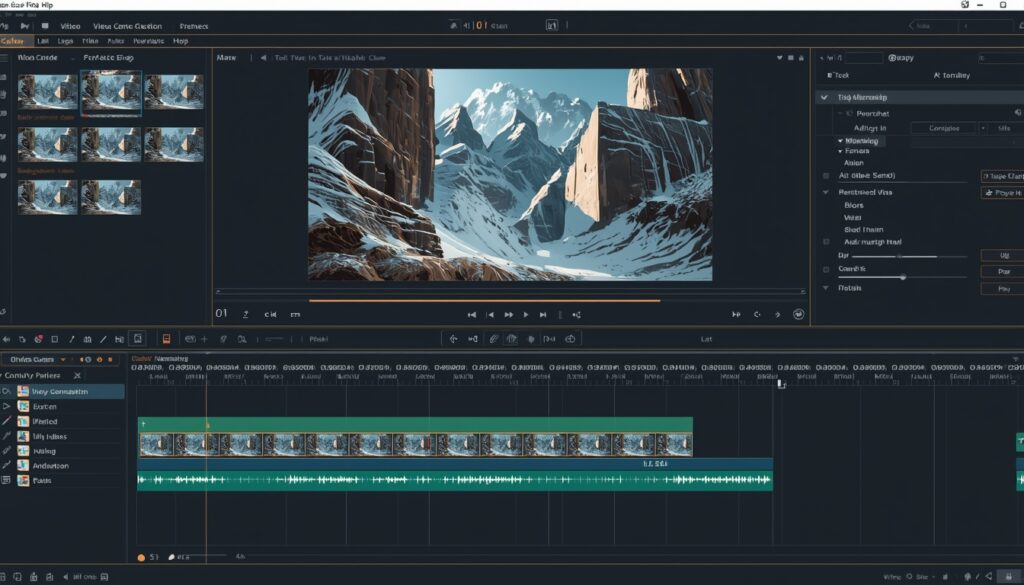
How Content Creators Actually Use AI (Simple Workflow)
Here is a simple system:
Step 1: Generate Ideas
Use ChatGPT for content ideas.
Step 2: Create Content
Write scripts and drafts.
Step 3: Design Visuals
Use Canva or Midjourney.
Step 4: Edit Content
Use Descript or Runway.
👉 This workflow can cut your production time in half.
Content Creator Hack: Create 3x More Content Without Burnout
Most creators try to do everything from scratch.
That’s the mistake.
Instead, repurpose your content using AI.
Example:
- 1 video → 3 short clips
- 1 article → 5 social posts
- 1 idea → multiple formats
👉 This multiplies your output.
You can also explore AI tools for content creation to expand your workflow.
Common Mistakes Content Creators Make
- using too many tools
- not focusing on consistency
- creating without strategy
👉 Simplicity wins.
What You Should Do Next (Simple Action Plan)
Reading about AI tools is useful.
But results come from action.
Here is a simple plan you can follow starting today:
Step 1: Choose One Content Type
Don’t try to do everything.
- blogging
- YouTube
- social media
👉 Pick one and focus.
Step 2: Choose 2–3 Tools Only
Too many tools = confusion.
Start with:
- ChatGPT → ideas and writing
- Canva → visuals
- Descript → editing
👉 This is enough to get results.
Step 3: Create Daily
Consistency beats everything.
Even 1 piece of content per day is powerful.
👉 This is how you build momentum.
Step 4: Improve Over Time
Your first content won’t be perfect.
That’s normal.
Focus on:
- getting better
- testing new ideas
- learning what works
Step 5: Turn Content Into Results
Content alone is not enough.
Use it to:
- build an audience
- get clients
- create opportunities
You can also learn more here:
👉 This is where content turns into income.
If you stay consistent for 30 days, you will start seeing real results.
Conclusion
AI tools for content creators make it easier to create, edit, and publish content.
The key is not using more tools — but using them effectively.
👉 Start small, stay consistent, and scale over time.